← back to @itsmarkshow

Becoming More Articulate

Every book on this page I actually read, one day at a time. Work through the stages in order: each one gives you the words, the rhythm, and the ideas the next one builds on.

Being articulate is two skills stacked: having something to say, and having the language to say it with. The novels give you the language. The thinkers give you something to say. The craft books teach you to put it together.

01 · Start light

Short novels that hook you

Build the daily reading habit with books you can finish in days, written in clean, simple prose worth imitating.

White Nights
Fyodor Dostoevsky
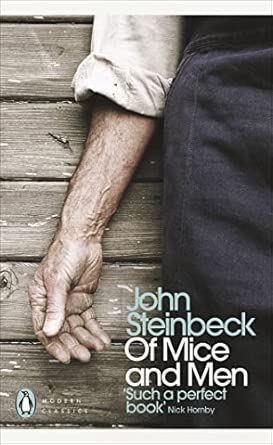
Of Mice and Men
John Steinbeck
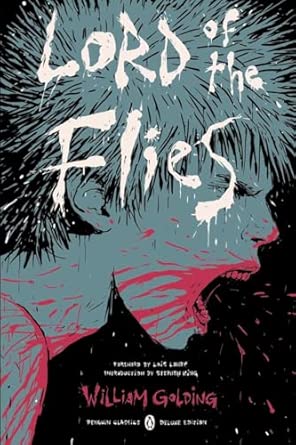
Lord of the Flies
William Golding
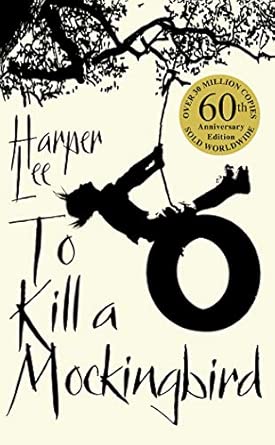
To Kill a Mockingbird
Harper Lee
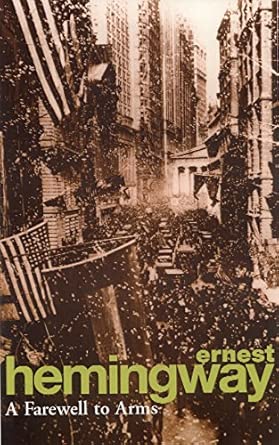
A Farewell to Arms
Ernest Hemingway
02 · The storytellers

Novels that grow your language

This is where vocabulary, sentence rhythm, and range come from. Read them slowly; notice how the best sentences are built.

East of Eden
John Steinbeck
Pride and Prejudice
Jane Austen
Wuthering Heights
Emily Brontë
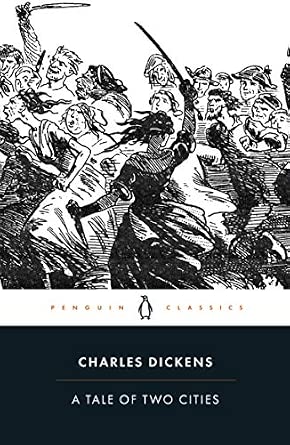
A Tale of Two Cities
Charles Dickens
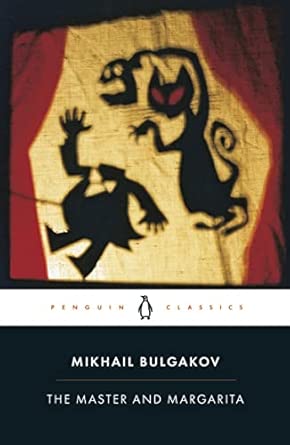
The Master and Margarita
Mikhail Bulgakov
One Hundred Years of Solitude
Gabriel García Márquez
Brave New World
Aldous Huxley
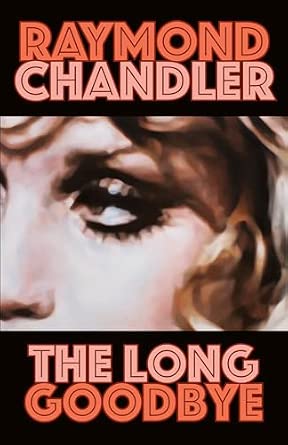
The Long Goodbye
Raymond Chandler
03 · The epics

The big ones

Long books finished one day at a time. These teach patience and give you the widest view of people, which is what you end up talking about.

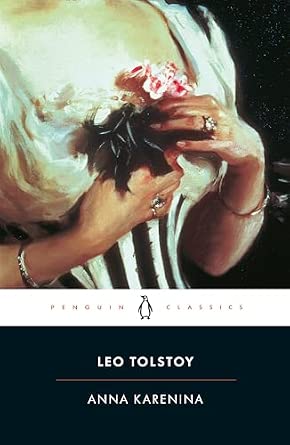
Anna Karenina
Leo Tolstoy
War and Peace
Leo Tolstoy
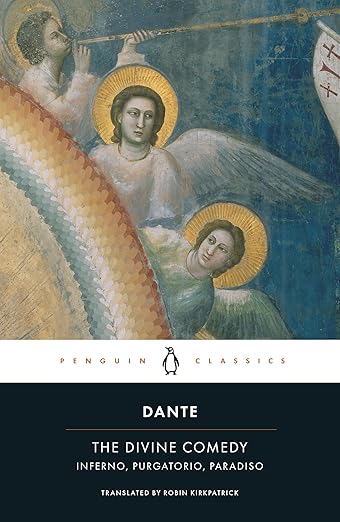
The Divine Comedy
Dante Alighieri
I, Claudius
Robert Graves
The Red and the Black
Stendhal
04 · The thinkers

Something to say

Articulate people are not just fluent, they have ideas. These give you positions to argue and the precision to argue them.

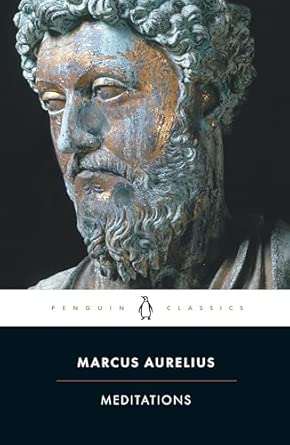
Meditations
Marcus Aurelius
The Art of Always Being Right
Arthur Schopenhauer
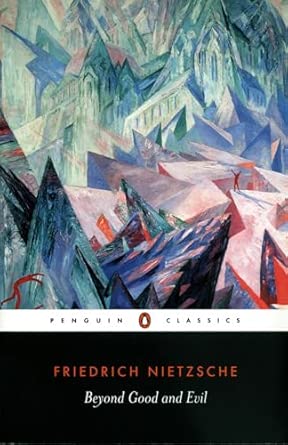
Beyond Good and Evil
Friedrich Nietzsche
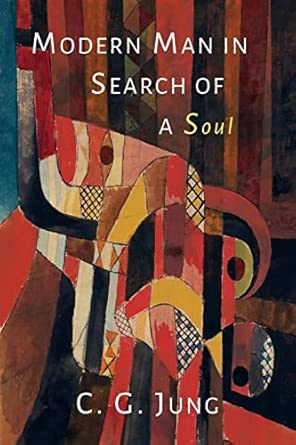
Modern Man in Search of a Soul
Carl Jung
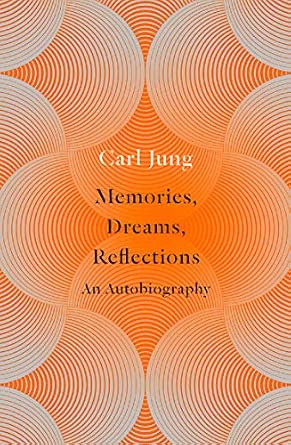
Memories, Dreams, Reflections
Carl Jung
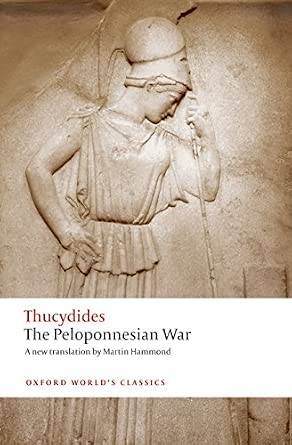
History of the Peloponnesian War
Thucydides
05 · The craft

Turning input into output

Reading fills the tank. These teach you to write and speak with what you have absorbed, which is the whole point.

On Writing Well
William Zinsser
The Anatomy of Story
John Truby
If You Absolutely Must...
Fredrik deBoer